
H1: Is Your Caffeine to Blame? The Unexpected Crash After the Stimulant Wears Off!
Read More : Deep Work Book Summary
In the bustling world where deadlines loom and to-do lists grow longer by the minute, caffeine emerges as our loyal ally. A steaming cup of coffee or a vibrant mug of tea not only beckons us with warmth and familiarity but also ushers a rush of energy, seemingly indispensable in navigating through the noise of everyday life. Yet, while caffeine is lauded for its ability to kickstart our brains and spur productivity, have you ever questioned the mysterious crash that makes an uninvited appearance after the high wears off? Ah, the great paradox of modern life—caffeine gives us wings and yet, those wings often falter before we reach our destination. So, we ask: Is your caffeine to blame? The unexpected crash after the stimulant wears off may hold the secrets you’ve been longing to uncover.
Consider the morning scenario: your alarm rings, and even before you reach for your phone, your mind is already set on that first cup of coffee. It’s a ritual, a moment of solace before the chaos of the day. Yet, as you savor that rich aroma, do you also brace yourself for the inevitable dip in energy that lurks around the corner of noon? Yes, the infamous caffeine crash. As energizing as caffeine can be, its effects are often transient, leaving us to wonder if we’ve been duped by the very ally we trust. This raises the question: Is your caffeine to blame? The unexpected crash after the stimulant wears off invites a deeper examination into our daily caffeine rituals.
In a fast-paced world that thrives on instant gratification, caffeine is celebrated for its quick-acting magic. From enhancing focus to boosting mood, it feels like the ultimate productivity hack. Brands, cafes, and energy drink companies know this allure too well, crafting ads that promise unbeatable efficiency courtesy of their caffeinated delights. But like every great story, there’s often a twist. Many find themselves in a post-caffeine slump, staring blankly at their screens, the morning energy now a distant memory. So, what’s the truth behind this puzzling phenomenon?
H2: Understanding the Science of the Caffeine Crash
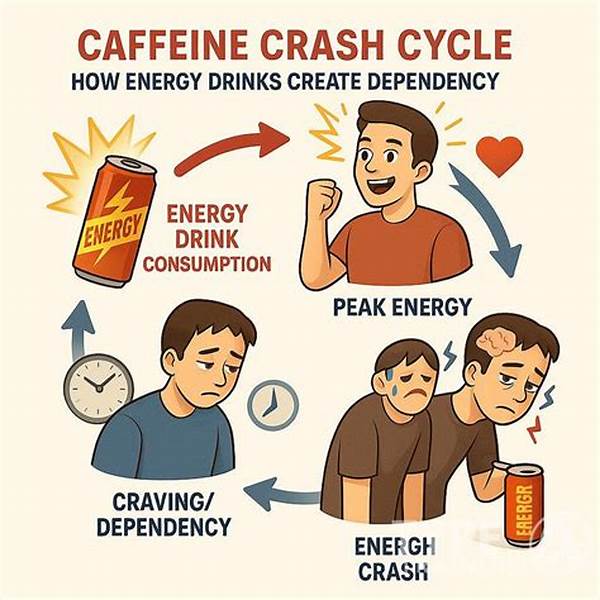
Upon closer inspection, the chemistry of caffeine reveals its dual nature. While it temporarily blocks adenosine—a neurotransmitter that promotes sleep and relaxation—this suppression is short-lived. With time, adenosine accumulates to higher levels, leading to that all-too-familiar crash. Shockingly, statistics show that around 68% of people experience fluctuating energy levels, largely due to caffeine’s brief stint in the system. So, is your caffeine to blame? The unexpected crash after the stimulant wears off might be your body’s way of signaling the need for gentler energy solutions.
Now, let’s delve deeper into this intriguing inquiry with further exploration.
—The Impact of Caffeine on Energy Levels
Every morning, countless individuals kick-off their day with a caffeine boost, whether it’s from coffee, tea, or energy drinks. But as their energy surges at first, there’s often an inevitable decline. This can be chalked up to the very nature of how caffeine operates. Is your caffeine to blame? The unexpected crash after the stimulant wears off could be the culprit behind your mid-day lethargy. The stimulant powerfully blocks adenosine receptors to keep you alert, but as soon as its effects wane, you’ll experience the buildup of adenosine that brings about tiredness.
Understanding Caffeine Cycles and Patterns
Interestingly, research indicates that the way caffeine interacts with your body may differ based on consumption patterns. If you’re strategically sipping your coffee to avoid a slump, you’re not alone. Is your caffeine to blame? The unexpected crash after the stimulant wears off can differ from person to person, influenced by metabolism and habitual intake. Statistics suggest frequent consumers develop a tolerance, reducing caffeine’s wake-promoting effects, hence requiring more to chase the same high—an endless cycle of jittery beginnings met with fatigued ends.
H2: Navigating the Caffeine Roller Coaster
To better handle caffeine’s rollercoaster effects, consider adjusting your intake. Opt for smaller, spread-out doses rather than overwhelming spikes, which might help maintain a steadier energy throughout your day. Instead of solely relying on caffeine, integrating nutrient-rich snacks and staying hydrated can complement your energy needs. Thus, is your caffeine to blame? The unexpected crash after the stimulant wears off can be mitigated with a balanced approach, curbing the notorious slump.
Despite its challenges, caffeine remains deeply embedded in modern lifestyles. Through mindful consumption, the infamous crashes can be minimized, allowing you to enjoy the benefits without the downside. Remember, moderation is key, and understanding your body’s response can turn caffeine from a foe back into a trusty ally.
Is Caffeine Addiction Real?
Perhaps the curiosity extends beyond just the crash. A lingering question lingers: is caffeine addiction real? Despite its ubiquity, caffeine dependency is recognized, marked by withdrawal symptoms when intake is abruptly stopped or reduced. The concept of addiction is multifaceted, but if your day doesn’t start without coffee, you might ponder: is your caffeine to blame? The unexpected crash after the stimulant wears off, paired with cravings, might suggest a degree of dependency.
Navigating Caffeine’s Ups and Downs
Creating a sustainable relationship with caffeine involves setting mindful boundaries. Establish caffeine-free times, especially post-noon, to prevent evening slumps and ensure restful sleep. Additionally, exploring caffeine alternatives, like herbal teas or decaffeinated drinks, can provide variety without the crash. Thus, is your caffeine to blame? The unexpected crash after the stimulant wears off is navigable with small, intentional changes in your routine.
—LI: Understanding the Caffeine Crash
The Purpose of Discussing Caffeine Crashes
Our journey of uncovering the “is your caffeine to blame? the unexpected crash after the stimulant wears off” mystery finds its purpose in educating caffeine enthusiasts about their beloved stimulant’s intricacies. This multifaceted exploration serves to not only enlighten but empower individuals in making informed choices that align with their lifestyle goals. While acknowledging caffeine’s benefits, understanding its flipside encourages mindful interactions with this ubiquitous stimulant.
From academics locked in the throes of marathon study sessions to office workers juggling countless tasks, caffeine’s role in modern productivity is undeniable. Yet, embracing a holistic perspective means recognizing both the peaks and valleys it introduces into our day. So, is your caffeine to blame? The unexpected crash after the stimulant wears off becomes not merely a rhetorical inquiry, but a catalyst for adopting healthier routines.
Engagement with caffeine is deeply personal, intertwined with cultural rituals and personal habits. By shedding light on its paradoxical dance, we hope to inspire introspection and motivate small changes that enhance wellbeing. Ultimately, the conversation on caffeine, its allure, and its pitfalls is an invitation to elevate our understanding and savor the brew of life with newfound clarity.
Strategies for Balanced Caffeine Consumption
Finding balance amid caffeine’s ups and downs requires customized strategies. Creating a synergistic energy regime may include integrating physical activity, prioritizing nutrient intake, and allocating strategic caffeine consumption slots. Such mindful approaches foster resilience against unexpected energy dips, leading to more harmonious days. Yes, is your caffeine to blame? The unexpected crash after the stimulant wears off can be managed, transforming daily caffeine habits for heightened energy equilibrium.
—
Integrating Caffeine Strategies in Everyday Life
Our calling is to support you in mastering the caffeine dance. Consider infusing your daily rituals with newfound mindfulness as the spotlight shines on “is your caffeine to blame? the unexpected crash after the stimulant wears off?” Embrace this opportunity to fortify your routines, acknowledging caffeine’s role while honoring your energy needs. May each sip remain enjoyable as you navigate the dynamic currents of life with insight and grace.