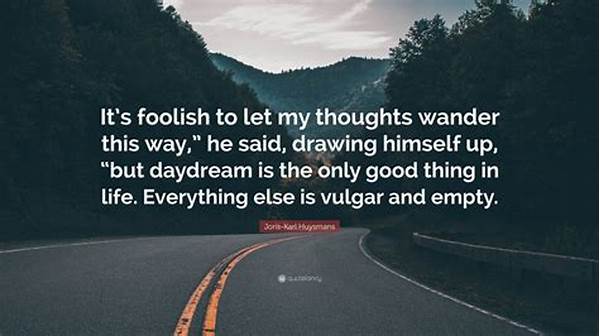

In a world where productivity is king, and focus is seen as its diligent vassal, you’d think the key to creativity lies in relentless concentration. Yet, have you ever found that your most brilliant ideas often come when you’re not trying at all? Maybe you’ve experienced it during a shower, a drive, or a relaxing walk in the park. These moments of apparent idleness, when you temporarily ditch the struggle and let your thoughts wander, actually play a crucial role in the creative process. Creativity is a mysterious beast that can’t simply be tamed through brute force. It’s the sweet fruit of an unruly mind; one that knows when to focus but also knows when to let the chains loose and explore.
Read More : How To Start Deep Work If You’re A Beginner
When we speak of creativity, we envision the romanticized image of the lone genius, relentlessly working until the eureka moment hits. However, research and psychology suggest a different narrative. Creativity, like a dance, requires a balance of structure and freedom. Think of it as a pendulum, swinging between focused brainwork like analyzing, planning, goal-setting, and the free-floating wonder of daydreaming and playfulness. These moments of relaxation are not just a respite but a fertile ground where novel connections are made, and creativity blossoms.
You’re probably wondering, how does this wandering mind phenomenon translate into actionable advice? Imagine sitting at your desk, eyes glued to the computer screen, wrestling with a problem that refuses to budge. You hear the whisper of your inner self say, “ditch the struggle: why letting your thoughts wander occasionally is essential for creativity!” Try it. Stand up, stretch, and look outside the window. Let your mind meander without a leash, and allow the magic to unfold unexpectedly. That’s where the true essence of creativity resides, in the places between conscious effort and subconscious exploration.
Freedom in Wandering
The process of letting your mind wander is akin to giving yourself the license to break away from the conventional paths of thinking, to paint outside the lines, or even create entirely new lines. When you ditch the struggle, the unconscious mind steps in and surprises you with insights that often feel like flashes of brilliance. This isn’t to say that discipline has no place in creativity. Rather, it’s about embracing a dance where both structured thought and free-association participate as equal partners.
By acknowledging the importance of mind-wandering, you open yourself up to a wealth of unexpected possibilities. Letting thoughts meander can be invigorating and invigoratingly productive — a paradox worth exploring. It is an escape from the confines of rigid mental constructs, where serendipity and insight are welcome guests.
The Dance Between Conscious and Unconscious
Research has shown that engaging in activities that allow your mind to wander (such as doodling, listening to music, or meditative walks) not only enhances creativity but also improves problem-solving skills. The mind works in mysterious ways, and more often than not, it finds solutions when we’re least expecting them. This counterintuitive strategy is what makes the idea of “ditch the struggle: why letting your thoughts wander occasionally is essential for creativity!” so compelling.
In summary, to maximize creative potential, it’s vital to respect the dual nature of thought processes by balancing periods of intense focus with intervals of leisurely exploration. This approach not only fosters creative thinking but also promotes a more fulfilling engagement with our daily tasks and objectives.
Discussion on Mind-Wandering and Creative Discovery
The Subconscious Mind at Work
The subconscious mind is a powerful reservoir of creativity, often going unnoticed as it operates beneath the radar of our conscious efforts. While focused thought is like a powerful beam of light that illuminates specific areas, mind-wandering acts as a curious lantern that brings subtle, hidden details to the fore. “Ditch the struggle: why letting your thoughts wander occasionally is essential for creativity!” isn’t merely a quirky suggestion; it’s a scientifically-backed approach to trigger insights that remain concealed under analytic thinking.
Opening New Paths
As we explore the balance between focus and freedom, it’s essential to understand that an overreliance on either extreme can hinder the creative process. An equally divided allocation of attention not only cultivates fluency and flexibility in thought but also allows the mind to forge unexpected connections. For instance, Albert Einstein, notorious for his unconventional thinking, often credited his most profound theories to moments of childlike imagination and not-so-structured thinking.
A 2012 study by the University of California discovered that mind-wandering enhances the ability to develop creative ideas by fostering connections between different pieces of information in the brain. This ability to make connections that are not immediately obvious is the hallmark of a creative mind. Encouraging periods of reflection and relaxation can result in these serendipitous insights.
Implementing Mind-Wandering
Now that we recognize the significance of mind-wandering in creative growth, how do we integrate it into our routines? It’s simpler than you’d think. Regularly scheduling breaks, indulging in playful activities, or practicing mindfulness can enhance creativity by allowing the mind to roam free. An interesting anecdote that supports this approach comes from J.K. Rowling, who famously said that the idea for Harry Potter flashed into her mind while she was daydreaming on a delayed train journey.
By allowing your thoughts to drift occasionally, you cultivate a garden where creativity can grow unbounded. The lesson here isn’t to abandon disciplined thinking but to complement it with freedom, harnessing the full spectrum of cognitive abilities available to us.
Essential Strategies to Enhance Creativity Through Mind-Wandering
Embracing the Mind’s Wandering Nature
In our quest for efficiency, it’s easy to overlook the creative potential harbored within a wandering mind. By allowing ourselves the liberty to idle and reflect, we embrace a fundamental part of our nature that is pivotal in breaking through creative blocks and unearthing revolutionary ideas.
However, saying “ditch the struggle: why letting your thoughts wander occasionally is essential for creativity!” is not an invitation to dismiss diligence or routine. Instead, it underscores the importance of interplay between effortful focus and liberated exploration.
As we strive to nurture a more inventive, inspired mind, remember that it’s not just the road to creativity that’s important, but the journey and its various scenic routes. Celebrate the chaos that is inherent in creativity, for in its disorder lies profound potential for new discoveries and breakthroughs. By learning to balance focus with freedom, we can enhance not only our creative pursuits but also our enjoyment and satisfaction in the process. Embrace the wanderer within you, and let the dance of thought lead you to places yet unimagined.