
I’m here to help guide you on a creative journey, but it looks like you want to tackle a pretty extensive project. Writing comprehensive articles in various styles across several content forms requires a lot of attention and time. Let’s break it down step by step, starting with the introduction and the initial article you want.
Read More : Deep Work Cal Newport
Inflammation Nightmare: The Top 4 Foods That Cause Brain Fog and Destroy Concentration!
In today’s fast-paced world, maintaining peak mental performance is paramount. Whether you’re a student preparing for exams, a professional at work, or a parent juggling daily tasks, clear cognitive function is essential. Yet, for many, a cloudy mind and lack of focus make for a frustrating reality. The cause? Often, it boils down to what you put on your plate. Indeed, your diet plays a stealthy yet significant role in the way your brain functions. Welcome to the “inflammation nightmare: the top 4 foods that cause brain fog and destroy concentration!” This exploration seeks to spotlight the potential dietary culprits behind your mental haze.
Every bite you take has the power to either nourish and protect or sabotage and impair, including your brain function. The old saying, “You are what you eat,” precisely encapsulates the delicate balance between dietary choices and mental clarity. Modern diets rich in processed foods, artificial sugars, and unhealthy fats can trigger inflammatory responses within the body. This inflammation extends its effects to the brain, resulting in subtle shifts that manifest as brain fog, reduced memory, and compromised concentration.
Now, imagine being trapped in a seemingly perpetual cloud, struggling to remember simple things, making everyday decisions feel like climbing mountains, or feeling a lack of enthusiasm towards tasks you usually love. The chances are high that inflammation from certain foods is silently taking a toll. But here’s the silver lining: by identifying and mitigating the consumption of these harmful foods, you can reclaim your sharpness and clarity, turning your “inflammation nightmare” into a tale of triumphant mental health. Identifying these foods can appear like detective work, but it’s backed by nutritional science and empirical research.
Long gone are the days of endless struggle with mental murkiness. Dive deeper into understanding precisely which foods could be acting as saboteurs of your cognitive clarity, and learn how to empower your brain health through informed dietary decisions.
—
The role of food in maintaining cognitive health cannot be overstated. Mounting evidence shows that diets high in sugar, refined carbs, and certain unhealthy fats contribute to inflammation, impairing cognitive function and promoting foggy thinking. For this reason, embarking on a food journey toward better brain health might just be your ticket to improved productivity, memory, and joy in daily activities. From refined sugars that cause spikes in insulin levels to trans fats that affect the brain’s structure, here are the foods that, unbeknownst to many, may significantly contribute to inflammation, leading to brain fog.
Each of these food choices has an inflammatory component that, while tasty, might quietly disrupt your concentration capabilities. Changing your eating habits requires patience and commitment, but the rewards manifest not only in clearer thinking but in overall enhanced quality of life. Mental agility translates into more fruitful days and peaceful nights, where confidence in your cognitive abilities becomes second nature.
How to Combat Brain Fog Effectively
Choosing to focus on your diet’s impact on your brain is an action-packed decision with far-reaching impacts. As you arm yourself with knowledge about “inflammation nightmare: the top 4 foods that cause brain fog and destroy concentration,” you’re setting the stage for crucial lifestyle changes. The more information you gather, the better equipped you are to make healthier choices. Join the ranks of those who’ve turned their mental fog into clarity and efficiency.
—
Description
Having a comprehensive understanding of the foods that pose a threat to your mental clarity is vital. Inflammation nightmare: the top 4 foods that cause brain fog and destroy concentration is not just a catchphrase. It’s an examination into dietary choices negatively impacting cognitive function. Most people are unaware that certain foods lead to inflammation, which can severely affect their concentration levels. This ignorance can result in continual mental fatigue, unexplained forgetfulness, and erratic focus levels, impacting daily professional and personal life.
Take sugars, for instance—they might seem harmless or even necessary for energy. However, excessive consumption of refined sugars leads to insulin resistance and triggers inflammatory responses. These cause disruptions in normal brain function, producing a mental fog that affects decision-making skills. Similarly, the beloved convenience of fast food, rich in trans fats, may enhance flavor but at the expense of brain health. Studies reveal the damaging effects trans fats can have on brain structure and function, leading to impairments in memory and processing speed.
Moreover, processed foods, which are omnipresent in our kitchens, represent another crucial component in the “inflammation nightmare.” These items are laden with preservatives and artificial ingredients that, while extending shelf life, provoke inflammatory responses detrimental to brain health. The cumulative consumption of these foods can result in chronic inflammation, expressed through cognitive decline and a persistent state of brain fog.
Whole grains, a food group usually perceived as healthy, can also be harmful when overly refined. Refined grains lack the fiber and nutrients present in their whole counterparts, leading to high glycemic spikes after consumption. This rapid increase in glycemic levels triggers inflammatory cascades, resulting in that all-too-familiar slump in concentration after meals. Consistent reliance on refined grains, instead of whole, fiber-rich options, can subtly chip away at mental sharpness over time.
Finally, take note of alcoholic beverages—their role in social and recreational settings is undeniable, yet their impact on the brain is profound. Heavy drinking escalates inflammation, contributing to cognitive disruptions. While moderate consumption may not be immediately harmful, regular overindulgence can alter brain health, resulting in impaired memory and concentration.
Choosing the Right Path: Alternatives and Strategies
The key to overcoming this inflammation nightmare lies in strategic dietary shifts. Identifying and avoiding these problematic foods is the first step toward mental revitalization. Replacing refined sugars with natural alternatives like honey or maple syrup, opting for whole foods over processed ones, and moderating alcohol intake are effective strategies. As awareness increases, making smart, long-lasting changes results in countless benefits, including a sharper mind and improved concentration.
These small yet significant adjustments cultivate a dietary foundation that supports cognitive health and diminishes the risk of brain fog. By prioritizing food choices that reduce inflammation, you’re committing to a lifelong pursuit of mental acuity, all while enjoying the satisfaction of improved daily performance. Embrace the transformative power of informed eating and emerge victorious from the clutches of brain fog.
—
Discussion
- How does sugar consumption influence brain health, and what are the signs of brain fog it can induce?
- In what ways do trans fats affect brain structure, and how can their inclusion in the diet be minimized?
- Why are processed foods often inflammatory, and what are healthier alternatives one can adopt?
- How does a diet rich in refined grains contribute to cognitive decline, and what are some whole-grain substitutes?
- In light of regular alcohol consumption, what are the potential risks to cognitive functioning over time?
- What steps can one take to transition towards a diet that supports brain health and reduces inflammation?
Examining these discussion points provides a deeper insight into how dietary choices shape cognitive health. Notably, sugar consumption and its effects are pervasive, with signs of brain fog including lack of clarity and focus, evident even at young ages. By recognizing the connection between diet and cognitive function, a proactive stance towards healthier living can be established.
Moreover, the detrimental impact of trans fats is an eye-opener, necessitating a shift towards unsaturated fats found in nuts, seeds, and avocados. Similarly, the choice to ditch processed foods in favor of fresh, nutrient-rich options can significantly aid brain function. With refined grains frequently in diets, substituting them with fiber-rich whole grains becomes imperative for sustaining focus and memory.
Alcohol moderation, often overlooked, plays a crucial role in brain health. Understanding its potential long-term risks encourages mindful consumption, fostering better cognitive resilience. By approaching these queries with a commitment to lifelong brain support, the inflammation nightmare: the top 4 foods that cause brain fog and destroy concentration becomes a manageable challenge rather than a daunting reality.
—
Tips for Overcoming Inflammation and Brain Fog
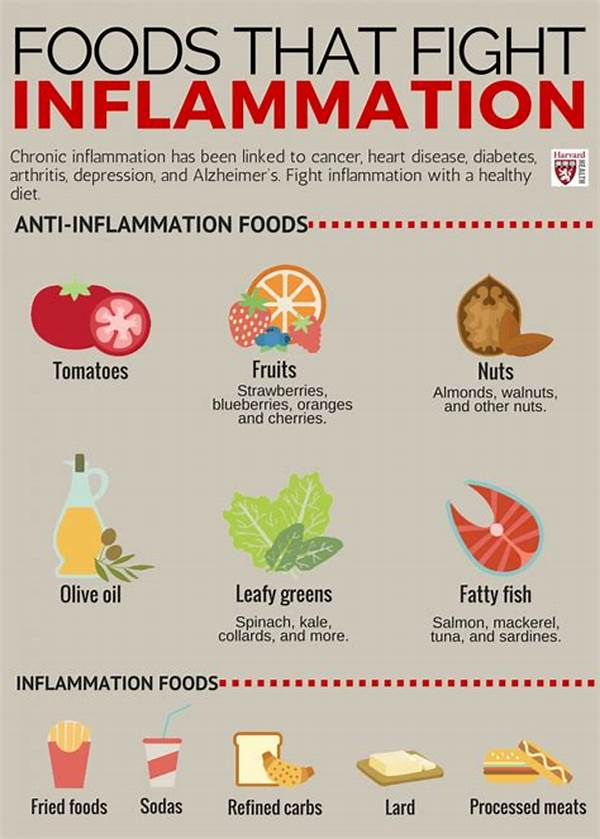
- Incorporate more anti-inflammatory foods, such as leafy greens and fatty fish, into your diet.
- Reduce sugar intake by choosing natural sweeteners like honey and limiting processed snacks.
- Aim to eat whole grains instead of refined grains for better sustained energy levels.
- Minimize the use of trans fats by cooking with healthier oils such as olive or coconut oil.
- Stay hydrated and limit alcohol consumption to support better brain health.
- Engage in regular physical activity to boost cognitive function and reduce inflammation.
To embark on a journey towards better concentration and reduced brain fog, first adopt an anti-inflammatory diet rich in leafy greens and omega-3 fatty acids. These foods are nutritional powerhouses, loaded with elements that actively combat inflammation and enhance brain function. Similarly, a strategic reduction in sugar intake is crucial for maintaining balanced energy levels throughout the day. Choose natural sweeteners and say no to the perpetual allure of sugar-laden snacks.
Furthermore, prioritizing whole grains over refined ones offers sustained energy, optimizing concentration levels without inflicting inflammatory damage. This small shift in diet can have profound effects on mental clarity and vigor. Additionally, cooking with wholesome oils, rich in unsaturated fats, lends a hand in fortifying brain function while reducing the risk of inflammation.
Hydration and alcohol moderation remain vital components in sustaining cognitive health. Couple this initiative with regular physical activity to enhance mental resilience. By committing to these tips, you’re not only addressing the inflammation nightmare of brain fog but crafting a lifestyle enriched with mental sharpness and clarity.
—
Short Article
Battling brain fog is more than just a personal quest; it’s part of a global pursuit for enhanced cognitive performance in our fast-paced modern lifestyle. The “inflammation nightmare: the top 4 foods that cause brain fog and destroy concentration!” permanently challenges our perceptions about seemingly harmless food choices affecting mental faculties. An insight into this dietary dilemma unveils a path to overcoming everyday mental hurdles through targeted nutrition and lifestyle choices.
The hidden saboteurs lurking in your pantry may be the high-sugar snacks you reach for energy or the processed meals that promise convenience. Such choices, laced with refined sugars, trigger insulin resistance and amplify inflammation, clouding mental perception in subtle but impactful ways. Similarly, diets rich in trans fats, found in many fast foods, pose threats to brain health, with studies shedding light on their brain structure-altering effects.
Glutenous refined grains further contribute to brain fog by causing unintended spikes in glucose levels, ultimately leading to insulin sensitivity. Regularly swapping out refined grain products for whole grain options can significantly improve cognitive performance. Moreover, the regular consumption of alcohol, often neglected in discussions of brain fog, contributes to inflammation and hindered cognitive functions, intensifying mental fatigue and sluggishness.
Redirecting your food choices towards anti-inflammatory options like leafy greens, fatty fish, and nutrient-dense snacks can generate a noticeable difference. With sustained commitment to these dietary adjustments, flourishing cognitive vitality becomes achievable. Being proactive in mitigating the inflammation nightmare: the top 4 foods that cause brain fog and destroy concentration transforms a once perplexing scenario into an empowering success story.